
Elephanta Island, Mumbai

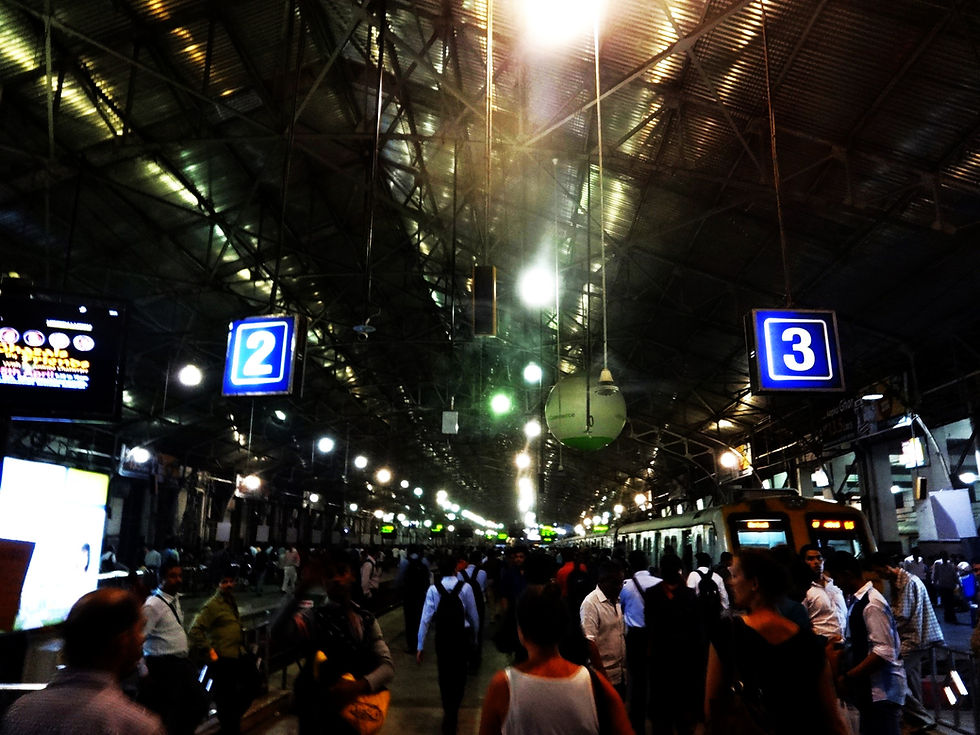
Together with two German travelers, Isabel and Helena, I set off toward the southern tip of Mumbai using the city’s suburban train network. The girls head straight into the women-only carriage, while I squeeze into the general men’s compartment for a 45-minute ride in what feels like a moving sauna. Packed shoulder to shoulder, barely able to move — an authentic Mumbai commuting experience.
Isabel and Helena are strong, independent German women. Like all white travelers — myself included — we are constantly approached by locals asking to take photos with us. The difference? The girls respond by asking for money. 100 or 150 rupees — about 1–2 euros. And surprisingly, local men actually pay.
With the same determination, they negotiate our ferry tickets to Elephanta Island. Initially, we are sold tickets without access to the upper deck. The girls simply refuse to board. We wait until a boat arrives where they can sunbathe on the rooftop terrace. Persistence pays off.
Elephanta Island awaits us with its 1,500-year-old rock-cut temples. Under the intense midday sun, we explore ancient caves carved directly into stone — monumental sculptures, Hindu deities, and pillars weathered by centuries.
On the ferry, I meet a few young locals working for a Google subsidiary. They tell me two things: first, they read extensively — including motivational literature. Second, they firmly believe that in India, anyone can rise through hard work. After all, even their Prime Minister began his career working in a canteen. The optimism is striking.
The island itself is lively. Monkeys roam freely, mischievously snatching food straight from tourists’ hands. A skinny island dog naps in the shade. Families wander between the caves. Most of the ferry passengers are locals — a reminder that this is not only a tourist site, but part of everyday Indian life.
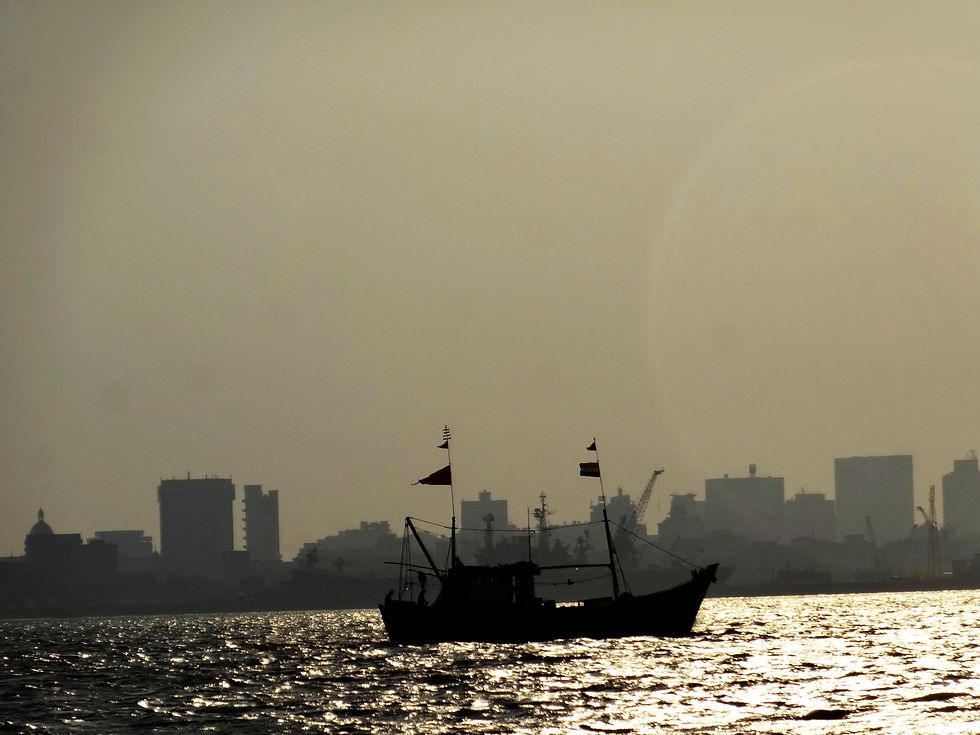
On the way back, we admire the Gateway of India from the water — Mumbai’s iconic symbol. Nearby stands the Taj Mahal Palace Hotel, opened in 1903, one of the city’s most luxurious landmarks.
One amusing twist: a man I met on the boat had previously worked as its captain. Thanks to him, I am briefly allowed to stand at the wheel — a symbolic moment more than anything, but memorable nonetheless.
In the evening, we plan to visit a market together. At the train station, things turn chaotic. Our suburban train begins moving just as we reach the platform. The girls jump into the last women’s carriage. I run, but the general carriage doors are already out of reach. I catch the next train instead.
At the agreed stop, we fail to find each other. After waiting and scanning the crowds, I give up and return to the hostel by train and tuk-tuk. In any case, I need to wake up in the middle of the night for my flight.
From overcrowded trains and rooftop ferries to ancient temples and missed connections — Mumbai delivers intensity right until the end.



Comments